
 Admin
AdminIntroduction to Industrial Neodymium Magnets
In today’s manufacturing world, industrial neodymium magnets have become one of the most powerful and reliable materials for various industrial applications. Known for their exceptional strength, these rare-earth magnets are made from a combination of neodymium, iron, and boron medicion de potencia magnetica. They provide unmatched magnetic performance, making them vital in industries such as automotive, energy, healthcare, and electronics. Their high magnetic strength allows engineers to design smaller, lighter, and more efficient machines and tools.
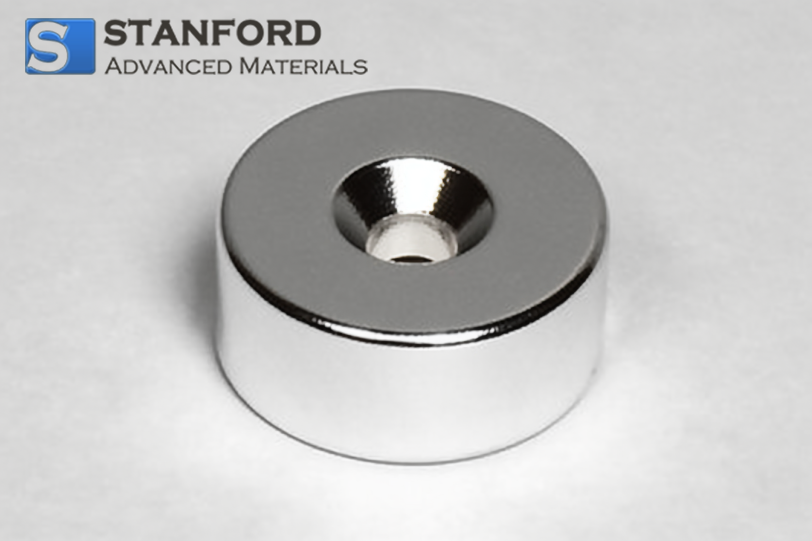
How Neodymium Magnets Work
The secret behind industrial neodymium magnets lies in their atomic structure. Neodymium, a rare-earth element, forms a strong crystalline bond with iron and boron, creating a magnetic field that is far more powerful than traditional ferrite or alnico magnets. These magnets can retain their magnetic properties even under intense stress or heat, depending on their grade. The unique molecular alignment enables them to generate high magnetic flux density, which translates into superior performance in compact spaces.
Applications Across Industries
Industrial use of neodymium magnets extends far beyond simple mechanical components. In the automotive sector, they power electric motors, sensors, and alternators, improving energy efficiency and performance. In renewable energy, they are essential for wind turbines, helping generate electricity more efficiently. The medical industry uses them in MRI machines, surgical devices, and drug delivery systems. Meanwhile, the electronics industry relies on them for speakers, hard drives, and even smartphones. Their versatility makes them an irreplaceable part of modern innovation.
Advantages of Using Neodymium Magnets
The biggest advantage of industrial neodymium magnets is their high magnetic strength relative to their size. They can produce strong magnetic fields with minimal material, leading to cost efficiency and compact design possibilities. They are resistant to demagnetization and provide stable performance over time. Additionally, when coated with materials like nickel, zinc, or epoxy, they can withstand harsh environmental conditions, making them suitable for heavy industrial use. This combination of power, efficiency, and durability gives industries a reliable solution for precision and productivity.
Challenges and Safety Considerations
Despite their many benefits, neodymium magnets come with challenges. They are brittle and prone to cracking if handled improperly. Their strong magnetic force can cause injuries or damage nearby electronics if not used with care. Exposure to high temperatures can also reduce their magnetic power unless they are specially designed for heat resistance. To ensure safe use, industries follow strict handling procedures, including protective coatings, proper spacing, and controlled storage conditions.
Future of Neodymium Magnet Solutions
The future of industrial neodymium magnets looks promising as researchers continue to improve their composition and sustainability. With growing demand in electric vehicles and renewable energy systems, efforts are being made to recycle and reduce the use of rare-earth materials without compromising magnetic strength. Innovations in nanotechnology and magnetic coating are enhancing their performance and lifespan. These advancements point toward a cleaner, more energy-efficient future where neodymium magnets remain a key technological pillar.
Conclusion
Industrial neodymium magnets solutions have revolutionized how industries design and power their machines. Their incredible magnetic strength, versatility, and efficiency make them a cornerstone in modern engineering and production. As industries push for smaller, faster, and greener technologies, neodymium magnets will continue to drive progress, offering practical solutions that balance power and precision for a more advanced industrial world.
Do you like this personality?
