
 Admin
AdminIntroduction to WebSim
WebSim, short for “Web-based Simulator,” is an innovative platform designed to provide simulation capabilities through a browser interface. In an age where accessibility and remote learning have taken center stage, WebSim offers a practical and efficient way for users to interact with complex simulation environments without the need for installing bulky software. It caters especially to the education and training sectors, where it is widely used to simulate scenarios ranging from computer networking and robotics to physics and engineering systems. By integrating high-level graphical representations and real-time feedback mechanisms, WebSim allows students, engineers, and developers to visualize nanonets, manipulate, and learn from dynamic models. The increasing popularity of WebSim is largely due to its user-friendly interface, platform independence, and collaborative potential. It bridges the gap between theoretical knowledge and hands-on experimentation, especially in STEM-related fields.
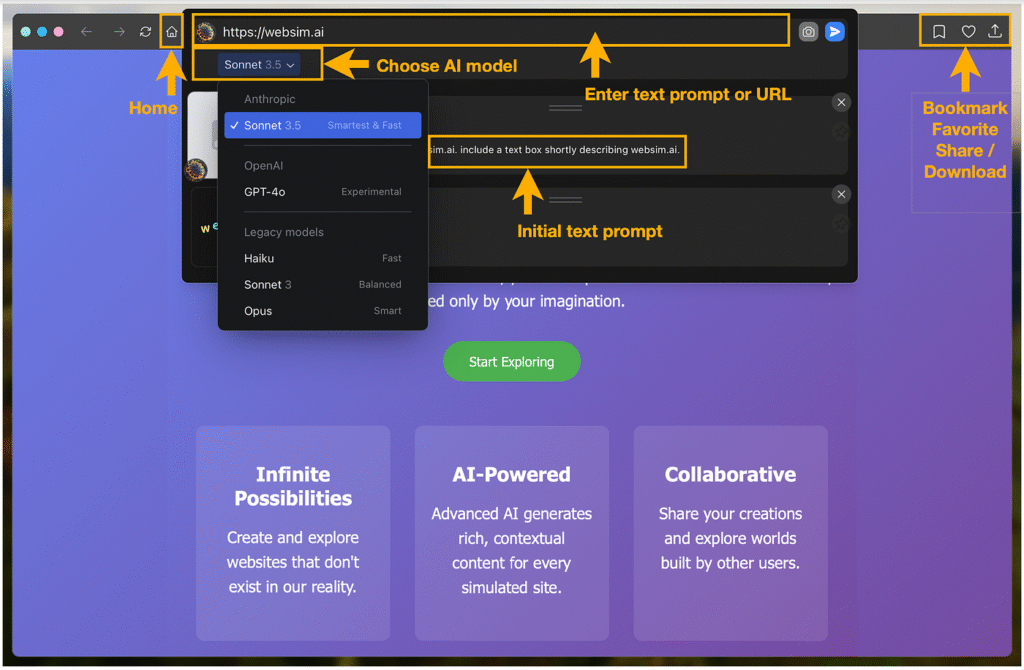
How WebSim Works
At its core, WebSim functions by using a combination of backend simulation engines and a frontend interface that runs entirely in a web browser. These simulation engines may rely on JavaScript, WebAssembly, or backend services written in languages such as Python or C++ to perform complex calculations. The user interacts with a graphical interface where they can modify input parameters, initiate simulations, and view output in real-time. The seamless integration of input-output controls allows users to test various scenarios and instantly visualize the results. Some WebSim platforms are designed with drag-and-drop functionality, making it easier for beginners to build models without writing a single line of code. More advanced versions allow users to edit source code, simulate intricate behaviors, and even deploy machine learning models. The accessibility of these tools enables a diverse audience to engage in simulation exercises from virtually any device with internet access, including tablets and smartphones.
Applications in Education and Industry
WebSim has become a valuable educational resource in schools, colleges, and universities worldwide. In computer science, for example, WebSim can simulate algorithms, data structures, and networking protocols, allowing students to see how data flows in real-time or how sorting algorithms perform under different conditions. In electrical engineering, it can simulate circuit behavior without needing a physical breadboard or multimeter. Robotics students can use WebSim to model robot movements, analyze sensor data, and write control algorithms. The beauty of WebSim lies in its interactivity—students learn not just by reading or listening, but by doing. In industry, WebSim is increasingly used for prototyping, testing workflows, and employee training. Organizations can simulate production lines, process optimizations, or even customer service scenarios. By using WebSim, professionals can identify inefficiencies or test risk-free alternatives before implementation, saving time and money.
Advantages of Using WebSim
There are several compelling advantages to using WebSim over traditional simulation software. First and foremost is its accessibility. Since WebSim operates through a web browser, there is no need for installation, making it platform-independent and easy to access from anywhere. This is especially beneficial in educational environments where students may be using different operating systems or working remotely. Another major advantage is cost-effectiveness. Many WebSim platforms are open-source or offer free tiers, allowing users to access powerful simulation tools without incurring hefty licensing fees. Collaboration is also enhanced with WebSim, as users can share simulations or work on the same project in real-time from different locations. Furthermore, the continuous updates and community support behind many WebSim platforms ensure that users benefit from the latest features and improvements without manual installations.
Challenges and Future Potential
Despite its numerous advantages, WebSim is not without challenges. High-performance simulations that require intensive computing resources may not run as efficiently in a web-based environment compared to desktop applications. There may also be limitations related to offline access, data privacy, or integration with specialized hardware. However, ongoing advancements in cloud computing, WebAssembly, and edge processing are steadily reducing these barriers. The future of WebSim looks promising, with potential developments including AI-driven simulation assistance, virtual reality integration, and more customizable environments for niche applications. As more industries and educational institutions embrace digital transformation, WebSim is poised to become an even more integral part of how we teach, learn, and innovate.
Conclusion
WebSim represents a significant evolution in simulation technology, combining the convenience of web access with the power of real-time, interactive modeling. Its wide applicability across disciplines, low barrier to entry, and collaborative features make it a compelling tool for modern learners and professionals alike. While there are still some performance and integration challenges to overcome, the ongoing development and adoption of WebSim suggest that it will remain a cornerstone of web-based learning and simulation for years to come.
